What’s the issue? Juan Manuel Montes had been living in the United States for 14 years, since he was nine years old. Under President Obama, Juan Manuel was granted legal permission to stay in the country under the Deferred Action for Childhood Arrivals program (commonly known as DACA). DACA is a two-year, renewable work permit and permission to stay in the US, as long as recipients keep a clean criminal record and follow certain rules. However, in February Juan Manuel was deported by immigration agents to Mexico. And Juan Manuel is not the only one- Daniela Vargas and Daniel Ramirez Medina, both DACA recipients (known as Dreamers), have been detained and later released (after a large public outcry) by immigration authorities.
Why do I care? In her book, Just Like Us, Helen Thorpe tells the true story of four Mexican-American girls finishing high school and attending college in Denver, Colorado. The girls have much in common- they all excel academically, speak English and Spanish, and have lived in the United States for as long as they can remember. However, two of the girls are American citizens and the other two are undocumented. As they grow-up, they realize that through no choice or fault of their own, only two of the girls are eligible for financial aid in college, have the freedom to travel within the country or study abroad, and will be formally employable after graduation. Thorpe’s book paints a powerful picture of the importance of DACA and the ability to live in the United States without the fear of deportation.
I believe that the vast majority of undocumented immigrants in the United States are making the US a better place and doing no harm. However, Dreamers are a particularly compelling case. Dreamers are young people (born after June 15th, 1981) who came to the US as children (before age 16), with clean criminal records. Many of these young people came to the United States so early that they do not remember their home countries. Their communities, schools, friends, employers, and lives are all in the United States, and thanks to DACA they now have a legal way to stay in the United States and continue to contribute to their communities.
Trump has been hostile to Dreamers since his campaign. In July, he promised to immediately terminate the DACA program if elected. He did not terminate it, and more recently has said that Dreamers can “rest easy” that they are not targets for deportation. However, deportations of Dreamers (or former Dreamers) have roughly doubled during the first three months of Trump’s tenure- 43 have been deported since his inauguration. This adds up to a lot of stress for Dreamers (and, of course, other undocumented persons) that can be so severe that it has been shown to damage their health.
Of course, there are official reasons and official stories for these deportations. Authorities claim Juan Manuel left the United States before he was deported, thus invalidating his DACA status (Juan Manuel says he did not leave voluntarily). Daniela Vargas’s DACA status had been expired for a week when she was detained (she had had trouble finding the money to pay for the renewal). Homeland security says all 43 Dreamers who have been deported under Trump have criminal convictions. Nonetheless, it doesn’t have to be this way. Even Dreamers who lost their DACA status were not targeted for deportation under Obama. As John Sandweg, a previous acting director of Immigration and Customs Enforcement (ICE) explains, “Generally, [Dreamers] weren’t going to be priorities to begin with. They’re generally going to be younger people who have been here for a long time and have no criminal record. They’re not somebody we wanted ICE agents to waste time on.” The uptick in deportations under Trump shows that this mentality has changed.
In January, more than 90 university and college presidents signed a statement in support of DACA that highlighted the benefits that DACA recipients bring to college campuses and to American communities. Their statement sums up the importance of DACA as, “both a moral imperative and a national necessity. America needs talent — and these students, who have been raised and educated in the United States, are already part of our national community. They represent what is best about America, and as scholars and leaders they are essential to the future.”
What to do if you care too:
- Share information. While DACA status is not an immunity against deportation, it is certainly safer than being undocumented. Are you a Dreamer or do you know one? Apply for or renew your DACA status here and to visit this blog for up-to-date information and resources to undocumented immigrants.
- Elevate undocumented voices. The blog My Undocumented Life is seeking guest contributions from undocumented people and educators who work with them. Let your story be heard.
- Get legal help. Know an undocumented person in need of legal help? Search here to find resources.
- Donate to the American Civil Liberties Union and the National Immigration Law Center, two organizations who are working tirelessly to defend undocumented people in the United States.
- Call your representatives and tell them you are against ending DACA and needlessly targeting present and former DACA recipients for deportation.
- Comment below if you have other ideas for action!
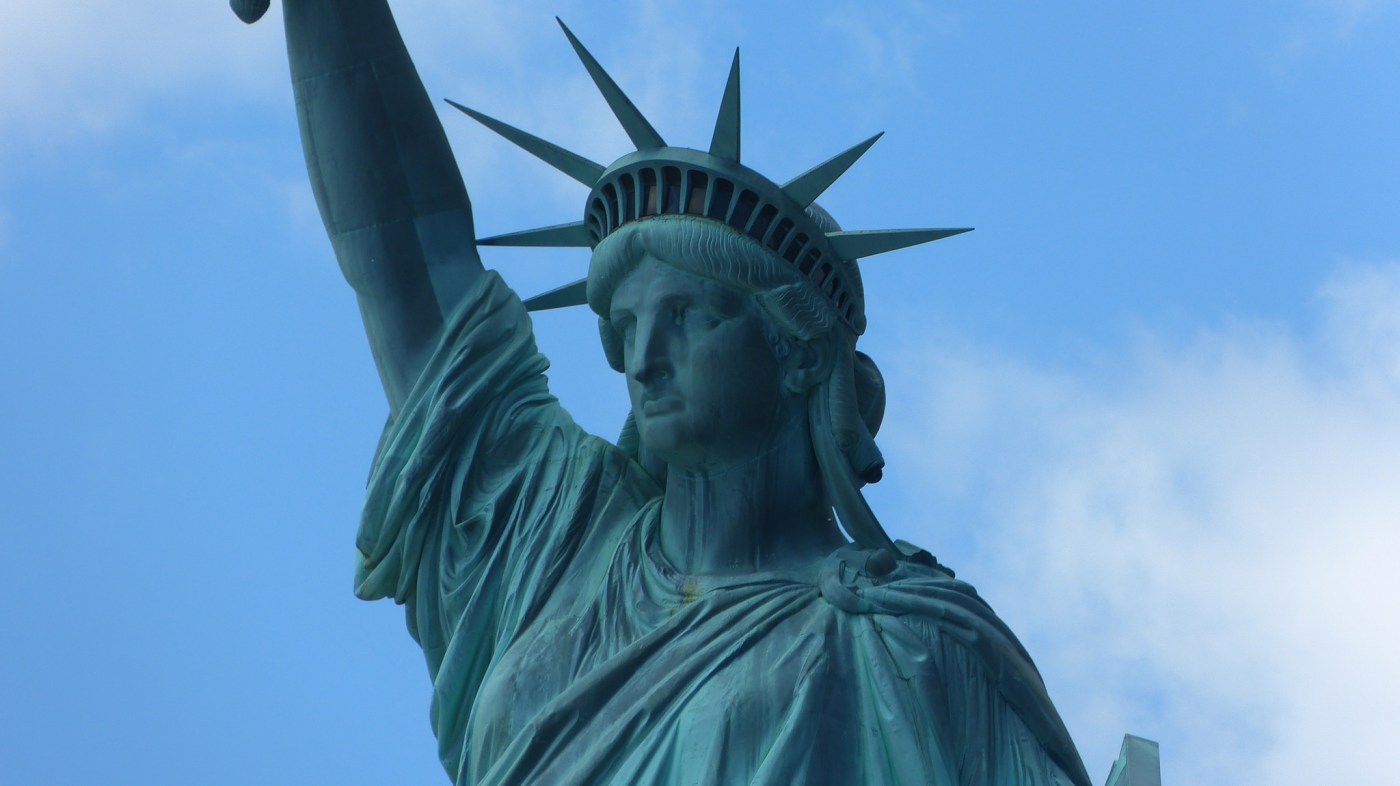
Cover image by Alex M Hayward on Flickr.
 Persistence
I am struck by the cruelty the dreamers experience while the US scapegoats in a desperate effort to find someone to blame without blaming the rich and powerful.
LikeLike