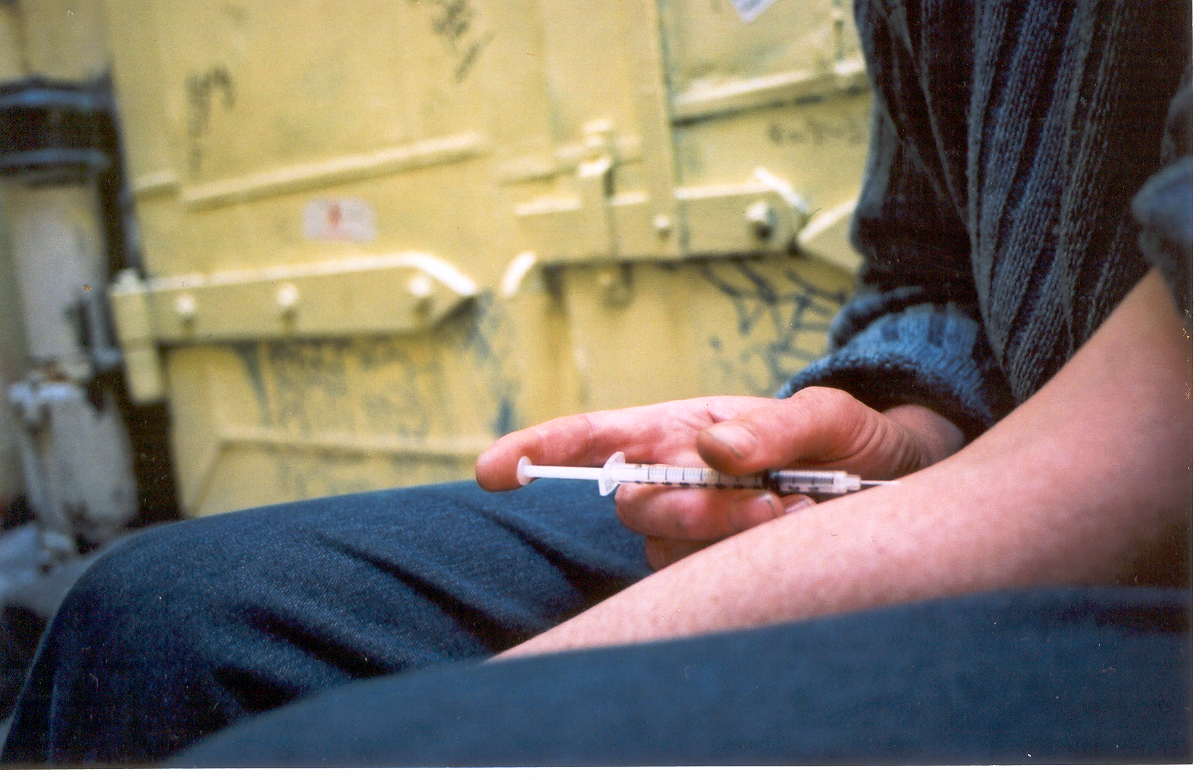
What’s the issue? In 2015, more than 30,000 Americans died from opioid drug overdose (involving prescription pain medication or heroin/fentanyl)- more than any year previously on record. The United States spends more than any other country in the world on health care, and yet it only ranks 27th in terms of life expectancy. A large portion of this discrepancy, and the main reason why life expectancy for middle aged white Americans is declining, is deaths from substance abuse disorders, including alcohol and drugs. Moreover, it is estimated that 27.1 million people in the United States use illegal drugs or misuse prescription drugs, costing approximately $1.93 billion annually. Of this, more people in 2014 sought treatment for heroin than any other drug (while deaths from prescription and synthetic opioids also increased), in 2015 heroin deaths increased 23%, while overall drug overdose deaths rose 15%. In short, opioid abuse constitutes a large public health crisis in the United States today.
Why do I care?
Part of the opioid epidemic in the United States today stems from the overprescription of pain medication. The United States consumes about 80% of the global opioid supply, despite having only 5% of the world’s population. Although the amount of opioids prescribed has declined since 2010, providers still prescribed three times more opioids in 2015 than they did in 1999. In 2015, providers prescribed enough opioids for every American to have a three-week supply. Of course prescribing opioids isn’t all bad. Opioids treat pain effectively for patients undergoing surgeries, treatments for cancer, and end of life care, There are even some cases in which long-term opioid prescriptions are necessary, but the risks quickly outweigh the benefits for many cases of opioid prescription. Being on prescription opioids for more than three months increases the risk of addiction 15 times, while a dose of 50 MME per day doubles the risk of overdose death compared to a dose of 20 MME per day. Even patients who have common surgical procedures have an elevated risk of opioid addiction following surgery.
(The overprescription of opioids in the US stands in stark contrast to other parts of the world where there are not enough opioids to cover even the most extreme pain. In 2013, at least 2.3 million people died of HIV or cancer without access to pain medication. Fortunately, the overconsumption problem in the United States does not link directly to the lack of opioid availability in the rest of the world. There is more than enough supply to treat the world’s pain.)
In addition to prescription opioids, Americans are also using and dying from illicit opioids such as heroin and fentanyl. These seem to be linked- 75% of heroin addicts used prescription opioids before turning to heroin. Deaths from synthetic opioids, such as fentanyl, rose almost 75% between 2014 and 2015, while in 2015 heroin overdose deaths outpaced gun homicides for the first time. In response to increased demand, Mexico’s opium production increased 50%, and global poppy cultivation is at its highest since the 1930s, suggesting that despite efforts to rein in opioid prescriptions, the opioid epidemic could be around for a long time.
Those who are addicted to opioids need access to treatment programs. However, only 10% of Americans with a substance abuse disorder receive treatment. In New Hampshire, one of the states worst affected by the opioid epidemic, access to treatment is so dire that state sponsored treatment programs can only meet 4% of the need. What’s worse is that many treatment programs do not operate using treatments proven by science. A vast majority of those who receive addiction treatment do not receive evidence-based care. Those who receive effective treatment will likely need treatment for months or years, and many will need access to drugs that help keep users off of opioids, such as Suboxone.
It is worth noting that treating heroin users instead of imprisoning them is an idea that is gaining traction largely because of the racial makeup of the users. The crack epidemic in the 1980s ushered in an era of zero tolerance of drugs and incarceration of users, when users were largely black. In fact, the federal Anti-Drug Abuse Act, passed in 1986, imposed far stricter sentencing laws for crack (more likely to be used by black people) than for powdered cocaine (more likely to be used by white people). Now, when 90% of first time heroin users are white, some police departments have stopped punishing heroin use and possession, and there are bipartisan calls for increased access to treatment. It is a good thing that the country is coming around to a strategy that’s proven to work (even the WHO called for the decriminalization of drugs in a recent statement), but we should not understate the disastrous effects previous policies have had on the black community.
One of Trump’s proposals to curb the heroin epidemic was to build a wall between the United States and Mexico which he said would keep out drug dealers and ““the heroin poisoning our youth.” This is barely worth addressing as a legitimate idea. In addition to the numerous environmental, funding, and human rights issues that have been widely documented that plague the border wall, it is unlikely the wall would slow drug trafficking. Most of the drugs that come to the US from Mexico pass through legal ports of entry, and in the past, US efforts to curb drug-trafficking in one part of the world has largely led to its increase somewhere else. Additionally, as discussed above, many opioid deaths in the US are from legally prescribed pain medication and from synthetic alternatives, which often come from China.
What you can do if you care too:
- If you use heroin or suffer from a substance abuse disorder, you can call the SAMHSA National hotline: 1-800-662-HELP (4357) for free, confidential information and treatment referral 24-hours a day, 365 days a year in English and Spanish. This service is also available for the families of those suffering.
- Use and refer to evidence-based substance abuse treatment programs. SAMHSA has a searchable database of evidence-based treatment programs here.
- Get trained in how to use naloxone, and learn how to save a friend, family-member, coworker, or stranger’s life. Get Naloxone Now has a free online training. You can also use their naloxone finder to research your local options for getting naloxone.
- Call your Congresspeople and tell them not to vote for the Better Care Reconciliation Act (BCRA), which is disastrous for the opioid epidemic (despite including $2 billion of funding to combat it). The BCRA would roll-back the ACA’s Medicaid expansion, resulting in loss of access for about 14 million people. Medicaid currently pays for over 45% of treatment costs in states highly affected by the opioid epidemic including West Virginia and Ohio. Additionally, changes to the ACA’s essential benefits would put 1.84 million Americans currently using Medicaid or ACA individual market insurance for treatment for substance-use-disorders at risk.
- Advocate on a local level. As mentioned above, police in some cities have stopped punishment for heroin use in favor of diverting users to treatment. Local policies have also increased the availability of naloxone (which can save a life in case of an overdose) to family and friends, and even experimented with putting overdose kits on city streets for passers-by to use. You can advocate for these types of policies in your community.
- Learn about substance-abuse prevention in adolescents and young-people. Check out the 16 principals on Preventing Drug Abuse Among Children and Adolescents from the National Institute on Drug Abuse.
- Support the Drug Policy Alliance, an organization promoting drug policies that are grounded in science, compassion, health and human rights. You can donate, join their mailing list, or take legislative action.
Feature Image by Urban Seed Education on Flickr.
 Persistence
Great analysis of the issue and the history of racial discrimination!
LikeLike
Thanks! 🙂
LikeLike
Thank you, Sarah. Very chido and informativo.
LikeLike