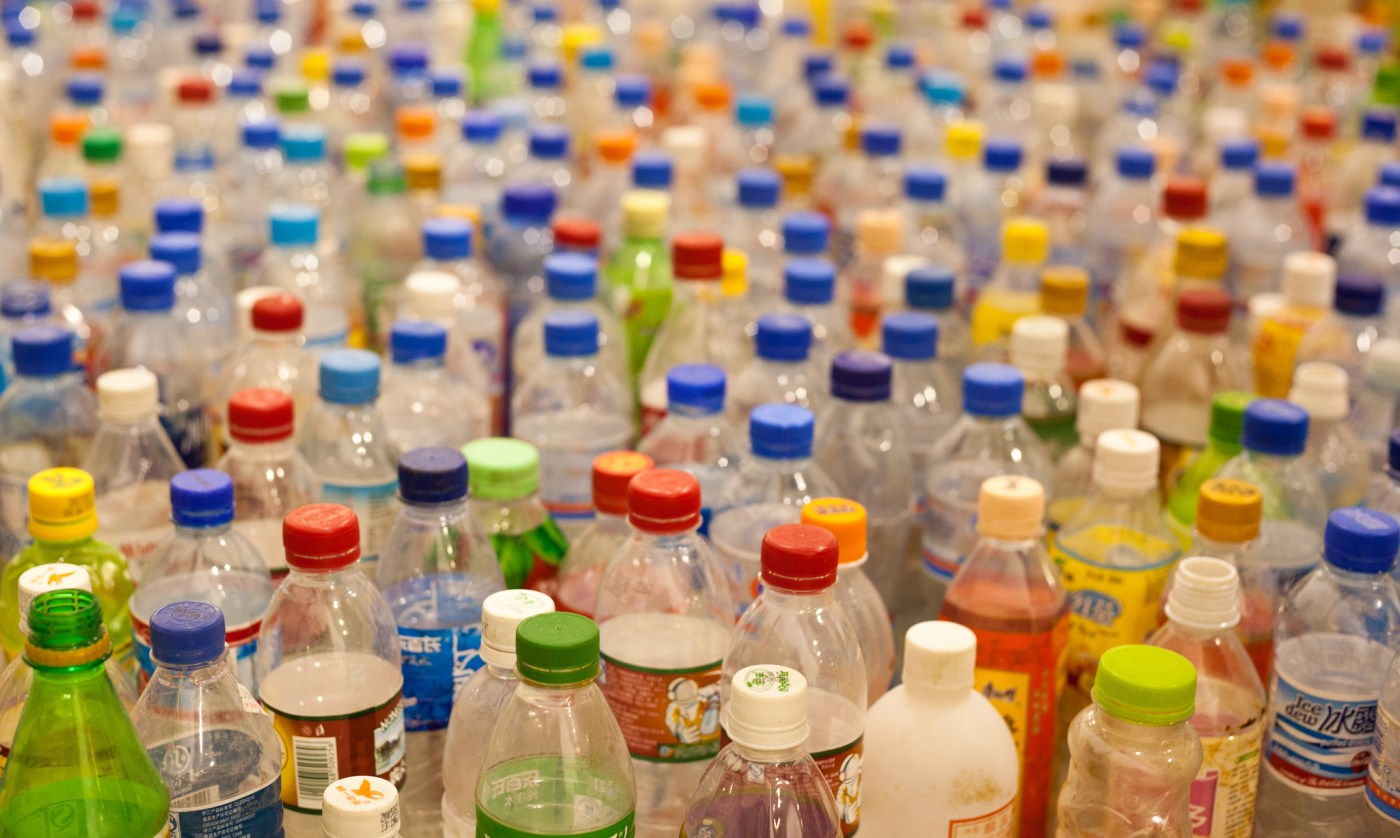
What’s the issue? Over 300 million metric tonnes of plastic are produced in the world annually, 50% of which is designed for one-time use. Our use of plastic has increased twenty times in the past 50 years. This plastic fills our landfills and our oceans, its presence felt everywhere from the ocean floor to our food chain. Additionally, it eats up our reserve of fossil foods, with approximately 8% of our oil usage currently producing plastics.
Why do I care?
There are four major ways to get rid of plastic once it is created: throw it out, incinerate it, recycle it, or have it biodegrade. Each has its own problems. When thrown out, most plastic degrades very slowly, especially in low-oxygen environments such as landfills. Meanwhile, plastic takes up valuable space in landfills that could otherwise be put to other use, and leaches chemicals into the soil that end up in groundwater.
Some plastic is disposed of by incineration, particularly in the European Union where the capacity for trash incineration in some countries outpaces actual trash. However, burning plastic still wastes the raw materials that make up the plastic (compared to recycling) and there are concerns about the emissions from incineration. Apart from controlled incineration, approximately 41% of the world’s trash (including plastic) is burned in open air. This type of trash burning produces pollutants that have been linked to heart and lung disease as well as cancer.
Recycling plastic is a good option, but only a third of plastic in the United States is recycled. Recycling is complicated by difficulties separating different types of recycling, contamination of recycling, and limited reach of recycling programs. In the United States, the cost of recycling programs in some cities has nearly doubled, largely due to recycling contamination. Recycling is currently facing cuts in several states, including North Carolina and Arizona. There is some evidence that the Trump administration’s proposed cuts to the EPA would include recycling efforts as well.
Biodegradable plastics are perhaps the best disposal option. Of course, not all plastics are biodegradable, and those that are are sometimes mistaken for regular plastic and cause problems in the recycling stream. Additionally, biodegradable plastics may not degrade if they end up in the ocean because the ocean is not warm enough and because the plastics sink, limiting their exposure to UV rays.
The ocean is particularly affected by plastic. 8 million tonnes of plastic ends up in the ocean each year. It is estimated that by 2050 there will be more plastic in the ocean than fish. Plastic has made its way into every corner of the ocean, including being frozen into the Arctic ice sheets. Large plastic debris can congregate along the ocean currents (check out this neat visualization from NASA), and even contribute to the migration of invasive species. Marine life can become entangled in plastic and choke or drown, and can also be harmed ingesting plastic. Particularly, some plastic degrades not by decomposing, but by breaking apart into tiny pieces, which fish see as food and eat. This plastic makes its way into our food chain when we eat fish and other marine animals. The health effects of this on humans are currently unknown.
What to do if you care too:
- Donate to The Ocean Cleanup. In 2011 a 16-year-old in the Netherlands had an idea to clean-up the world’s oceans, and he is making it a reality. You can read more about his project in this BBC article.
- Use less plastic. There are many ways to reduce the amount of plastic you use in your daily life. Plastic Free July has ideas for living a plastic free life that range from pet care to wrapping gifts to cleaning products. Pick a few. (If you don’t like those, here are 11 very easy things you can do to reduce your plastic).
- Recycle responsibly. Know what can and can’t go into your local recycling pick-up. Recycling programs are city-specific, so you’ll have to contact your city’s or waste management’s website. If you can’t do that, here’s a good rule of thumb guide to which plastics can and can’t be recycled.
- Support recycling programs. If your local, state, or national government proposes cuts to recycling programs, fight back. Yes, this includes calling your Congresspeople.
Cover image by Tom Page on Flickr.
 Persistence
Sarah, thanks for this potent reminder. Great resources both Ocean Cleanup and Plastic Free July. Very hopeful that Ocean Cleanup was started by a 16 year old.
LikeLike