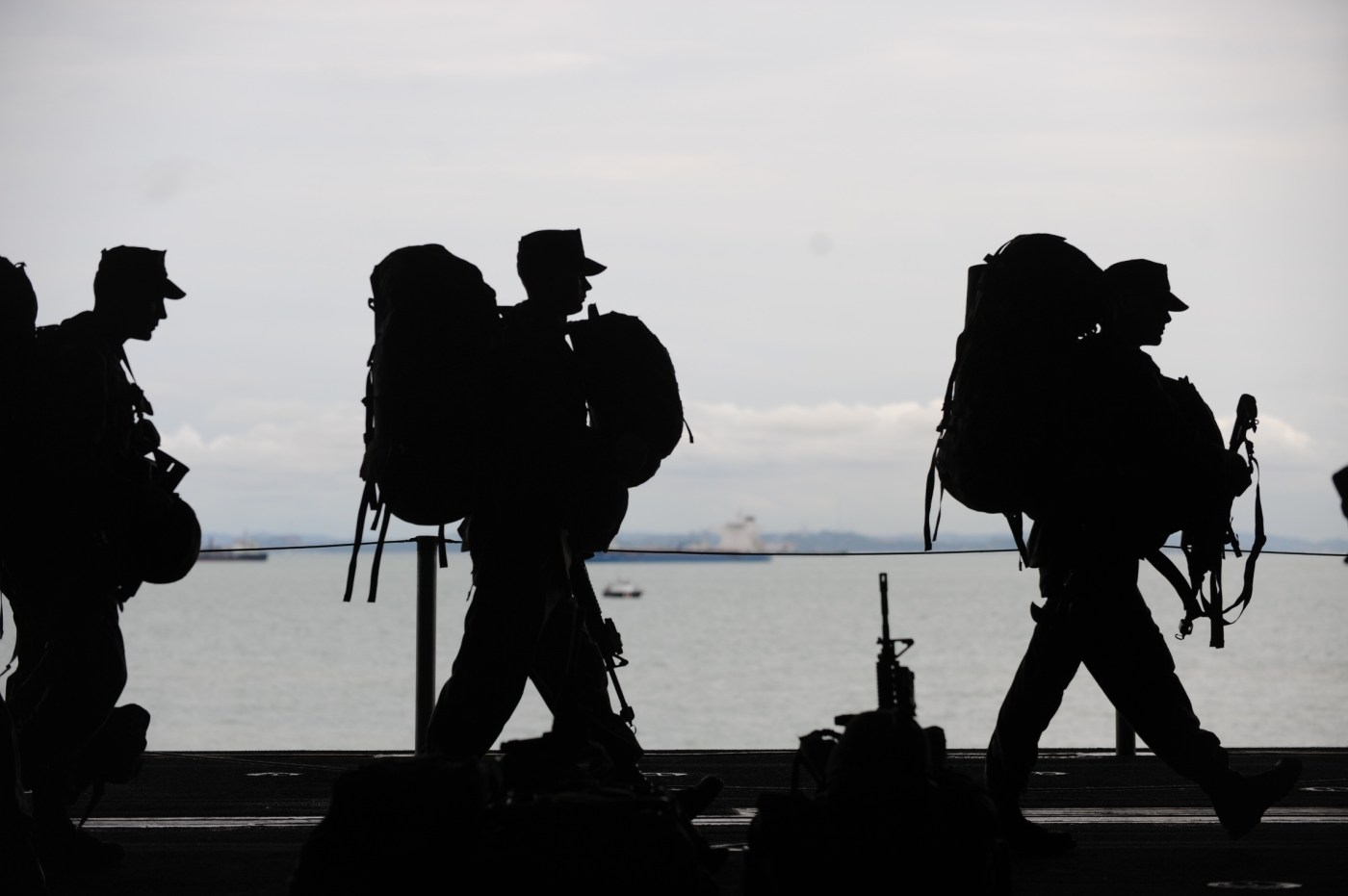
What’s the issue? At the end of July, Trump announced on Twitter that he planned to ban transgender volunteers from serving in the military. While there is no word yet from the White House on how this ban would be carried out, it is the latest effort of the government to discriminate against transgender people.
Why do I care?
Trumps arguments for banning transgender people in the military were that the military “must be focused on decisive and overwhelming victory,” and thus could not be burdened by “tremendous medical costs and disruption that transgender in the military would entail.” The argument that a certain group of people would “disrupt” troops and thus imperil the military has been used against blacks (1948), women (1990s), and gays (2010), but each time the fear has been unfounded. In fact, 56 retired generals wrote an statement opposing Trump’s expressed policy, underlining that banning transgender soldiers would negatively effect military readiness by forcing transgender soldiers to go underground much as the failed Don’t Ask, Don’t Tell policy did to gay soldiers. They also pointed out that transgender people have been serving openly in the US military for over a year to the praise of their commanders, and 18 other countries allow transgender people to serve in their militaries without any apparent affect on their readiness.
The claim of “tremendous medical costs” is similarly hollow. A study by the RAND Corporation released last year estimated that health costs for transgender people in the military would total between $2.9 and $4.2 million a year. That is less than one one hundredth of one percent of the military’s annual health budget. Even if care ended up being twice that, it would still amount to just one tenth of the $84 million the military currently spends each year treating erectile disfunction.
Perhaps more importantly, this ban from Trump plays on the misconception that transgender people are somehow different or less deserving of rights and protection than non-transgender people. At the political level this leads to bigotry in laws and policies such as the proposed military ban, laws about who can and cannot use public restrooms, and fights within school districts about how which locker rooms can be used. On an individual and societal level, this thinking is very dangerous for trans people. Transgender people are more likely to be murdered, be homeless or unemployed, and experience sexual assault. They report higher levels of psychological distress, and are nearly nine times more likely to attempt suicide than the general population. This is a disastrous state of affairs that we must fight at every turn. If a transgender person is willing to serve our country as part of our military, they should be welcomed with open arms.
What to do if you care too:
- If you are a trans person in crisis, you can contact The Trevor Lifeline by phone or chat, the Trans Lifeline: (877) 565-8860, or the National Suicide Prevention Lifeline: 1-800-273-8255.
- Call your Congresspeople and tell them to oppose Trump’s ban on transgender people in the military. A new polls shows the majority of Americans disagree with the ban, and putting pressure on elected officials can help.
- Donate to the Human Rights Campaign, which fights for LGTBQ equality. Also through their site you can sign up to volunteer, stay informed, and pledge to fight LGTBQ discrimination bills in your state.
- Have conversations with friends, family members, and colleagues who are transphobic. Use this conversation aide from Public Heath Awakened as your guide.
- Get involved with and donate to the Trevor Project, a national organization providing interventions and suicide prevention for LGTBQ young people.
- Join the mailing list of the National Center for Transgender Equality for advocacy updates and ways to participate.
- Support and learn from the following organizations that focus on transgender people of color, who are often disproportionately affected populations: TransWomen of Color Collective, Black Trans Advocacy, and TransLatin@ Coalition
- Comment on this blog if you know of a way to support transgender military personnel specifically. My research didn’t turn up anything, but that doesn’t mean it’s not out there.
 Persistence
Leave a comment